Relief from Tinnitus: Don’t Ignore the Ringing in Your Ears—When to Seek Help
June 4, 2025
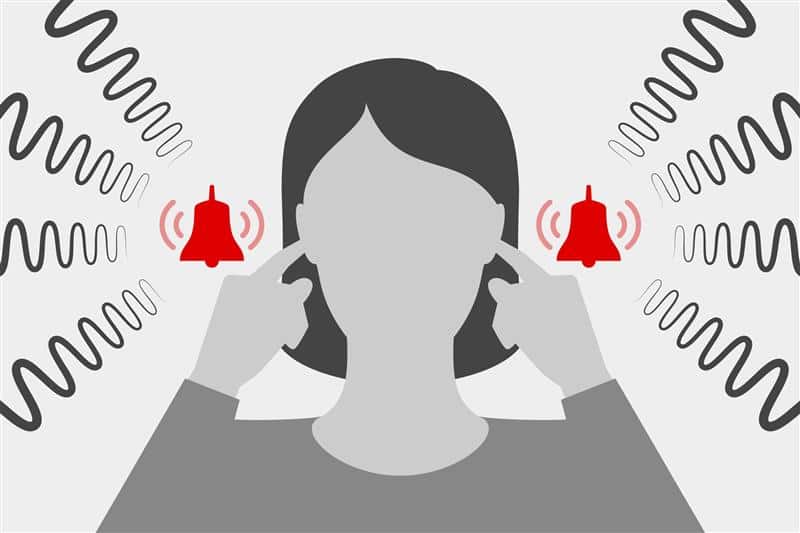
Have you ever heard ringing in your ears?
That ringing, buzzing, or whooshing sounds might seem like a minor annoyance, but it’s one that shouldn’t be ignored. Tinnitus (ringing in your ears) can be a warning sign of a larger issue. Ignoring it won’t make it go away—in fact, it could get worse over time.
Here’s when you should be concerned and what you can do to find relief from tinnitus.
Tinnitus: A Common Signal from Your Body
Whether it presents as a slight ringing or a high-pitched buzz, if you’re hearing sounds others can’t hear, you’re not alone. You’re likely experiencing tinnitus—a condition that impacts over 25 million (or about 10%) [1] of adults in the United States.
What is tinnitus? Even if you haven’t heard of it by name, you’ve likely experienced it at some point. It’s the perception of a sound when there’s no external noise present. Most commonly, it’s referred to as “ringing in the ears.”
But tinnitus isn’t limited to just ringing sounds. The common condition can manifest in many ways, including hissing, buzzing, whistling, swooshing, and clicking noises. In some rare cases, people with tinnitus may even hear noises that sound like music.
Tinnitus can be a temporary occurrence (acute) or an ongoing issue (chronic). In some acute occurrences, tinnitus may be noticeable for a short time and then resolve on its own. It’s estimated that of the 25 million tinnitus sufferers in the United States, about 5 million experience chronic tinnitus [2] and report it as burdensome, while 2 million consider it debilitating.
But tinnitus isn’t just an inconvenience, nor is it inevitable. Tinnitus is often a signal from your body that something isn’t quite right. While some cases are temporary, others can signal longer-term hearing damage and health concerns that need attention.
When to Be Concerned About Tinnitus
So, when do you need to be concerned about tinnitus? Sometimes, the occurrence is truly a minor issue that resolves itself within a few days. However, there are times when tinnitus indicates a more serious problem.
Here are a few signs that you should seek help for your tinnitus:
- The tinnitus is getting worse, louder, or more prevalent over time.
- The occurrence impacts your sleep, focus, or daily life.
- You’re experiencing pain, dizziness, or sudden hearing loss.
- The tinnitus only occurs in one ear.
Now, many tinnitus-related causes are minor and can easily be resolved with medical assistance, but it’s important not to ignore them.
When you visit a hearing specialist regarding your tinnitus, they’ll likely confirm that it’s one of two types:
- Subjective Tinnitus: This type of tinnitus involves noises only heard by the affected person. This occurrence is typically associated with auditory and neurological reactions to hearing loss but may also be caused by other factors. Subjective tinnitus counts for over 95% of reported cases [3].
- Objective Tinnitus: In this type of tinnitus, the patient and the practitioner may hear and detect the anomaly. Often, it means the noise is generated by the body’s circulatory or musculoskeletal system (blood flow or muscle movement). This type of tinnitus is very rare.
What Causes Tinnitus?
As mentioned above, there are many causes of tinnitus. Since it’s often a way for the body to alert us to a problem, we may experience tinnitus when we’re sick or due to ear damage or trauma.
The most common catalysts for tinnitus include:
- Hearing Loss: Tinnitus and hearing loss often go hand-in-hand. This may be linked to age-related hearing loss, which often includes the loss of high-frequency sounds. It may also be linked to noise-induced hearing loss resulting from exposure to loud noises.
- Obstructions: Blockages in the middle ear, like excessive earwax, loose hair, dirt, or foreign objects can cause pressure and irritation that lead to tinnitus. One major culprit is head congestion.
- Trauma to the Head or Neck: Head and neck injuries may result in nerve damage, blood flow issues, or muscle injury that can result in tinnitus. Often, when the tinnitus is linked to head or neck trauma, the sounds are higher in volume and have greater variability in sound, frequency, and location.
- Temporomandibular Joint Disorder (TMJ): Problems with the temporomandibular joint, connecting the lower jaw to the skull, can result in tinnitus. Damage to the TMJ’s muscles, ligaments, and cartilage may also lead to tinnitus. Fortunately, treating the TMJ disorder often reduces or resolves the tinnitus symptoms.
- Sinus Pressure and Barometric Trauma: Sinus and nasal congestion from a severe cold, flu, or sinus infection create a higher-pressure level in the middle ear. This pressure can result in tinnitus symptoms and can impact your regular hearing abilities. Rapid air or water pressure changes from flying, diving, or explosive blasts can also result in tinnitus. When the pressure issue is resolved, often tinnitus will also be elevated.
The Good News About Tinnitus
It’s important to realize that tinnitus isn’t a disease on its own; rather, it’s a symptom of other underlying health conditions. It’s the brain’s way of reacting to damage within the body’s auditory (hearing) system.
Tinnitus is commonly associated with hearing loss, but over 200 different health disorders can result in tinnitus symptoms. That’s why visiting a physician or hearing health professional is crucial to get to the underlying cause.
As with many other symptoms, when the root cause is resolved, the tinnitus symptoms are often alleviated.
The longer that your tinnitus goes untreated, the tougher it can be to manage and resolve. But the good news? Identifying the root cause of your tinnitus early can significantly improve your chances of finding relief.
Whether your tinnitus is caused by hearing loss, circulatory issues, or another condition, you don’t need to suffer alone. Beltone’s hearing experts can help you take the next steps toward better hearing—and a quieter life.
Sources:
[1] Tinnitus prevalence, associated characteristics, and related healthcare use in the United States: a population-level analysis (National Library of Medicine)
Go Back to Posts