Hearing Screenings vs. Hearing Tests: What’s the Difference?
November 18, 2025
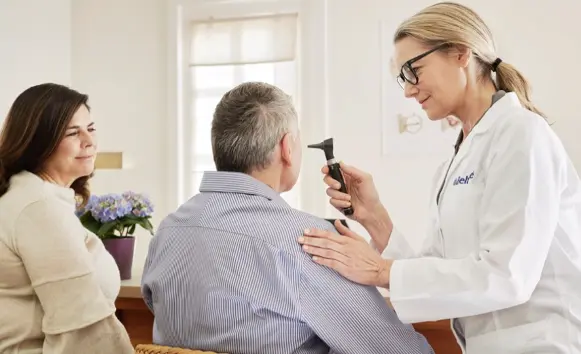
If you’ve noticed the TV creeping louder, conversations getting harder to follow, or loved ones saying you seem distracted, it may be time to check your hearing. But should you start with a hearing screening or a hearing test?
It’s a common question, and the answer depends on where you are in your hearing health journey. Screenings are a simple first step, while full hearing tests provide a deeper look at your hearing and overall ear health. At Beltone Carolina Virginia, we make both options comfortable, clear, and completely tailored to your needs.
What Is a Hearing Screening?
A hearing screening is a quick way to determine whether you may have a hearing issue. Think of it as a “first filter.” If you pass, no further testing is needed right away. If you don’t, your provider will recommend a full hearing test for more detail.
Key features of a hearing screening:
- Duration: 5–10 minutes
- Where: Wellness fairs, primary care offices, workplaces, or online
- Tools used: Simple tones through headphones, or an otoscope to look for earwax or blockage
- Results: “Pass” or “Refer for further testing”
Many people start with a screening because they’re quick, easy, and often free. You can even take a free online hearing screening with Beltone from the comfort of home.
What Is a Hearing Test (Hearing Evaluation)?
A hearing test, also called a hearing evaluation, is a complete, personalized assessment done by a licensed hearing care professional. Unlike a screening, it doesn’t just say “yes or no” it gives you a detailed picture of your hearing health and, if needed, a treatment plan.
What to expect during a hearing test:
- Duration: About 60–90 minutes
- Where: A private, sound-treated room at your hearing professional’s office
- Process:
- Review of your medical and hearing history
- An otoscopic exam to check the outer ear and ear canal
- Pure-tone testing (listening for beeps at different pitches and volumes)
- Speech testing (recognizing and understanding words in quiet and noisy settings)
- Results: An audiogram (a chart of your hearing ability), explanation of findings, and next steps
Most importantly, a hearing test ends with a personalized plan whether that’s monitoring your hearing, exploring discreet hearing aids, or taking advantage of ongoing support through Beltone’s BelCare program.
Who Should Get a Hearing Screening vs. a Hearing Test?
- Hearing Screening is ideal if you:
- Haven’t noticed major changes but want peace of mind
- Are at a community event or wellness fair
- Want a quick, free check (including online options)
- Hearing Test is recommended if you:
- Are age 50+ and haven’t had a baseline hearing evaluation
- Notice muffled hearing, ringing in the ears, or difficulty in conversations
- Had a screening that suggested further testing
- Have a family history of hearing loss
Can I Test My Hearing at Home?
Yes! Beltone offers a free online hearing test you can take with headphones. It’s a great way to get a general sense of your hearing.
But remember online tools are only a starting point. They can’t replace the accuracy of a professional hearing evaluation, where your results are explained by a caring hearing specialist who can guide you through next steps.
Why It Matters
Hearing loss doesn’t just affect your ears, it affects your brain, your relationships, and your overall quality of life. Untreated hearing loss has been linked to social isolation, fatigue, and even cognitive decline.
The good news? Early detection makes a big difference. Whether through a quick screening or a full hearing test, taking action today can help you stay independent, connected, and engaged with the world around you.
Ready to Check Your Hearing?
Beltone Carolina Virgina is here to make the process easy. Whether you want to start with a free online hearing screening or schedule a comprehensive in-office hearing test, our specialists are ready to guide you every step of the way.
Schedule your free hearing evaluation today and take the first step toward better hearing, better health, and better connections.
Go Back to Posts